
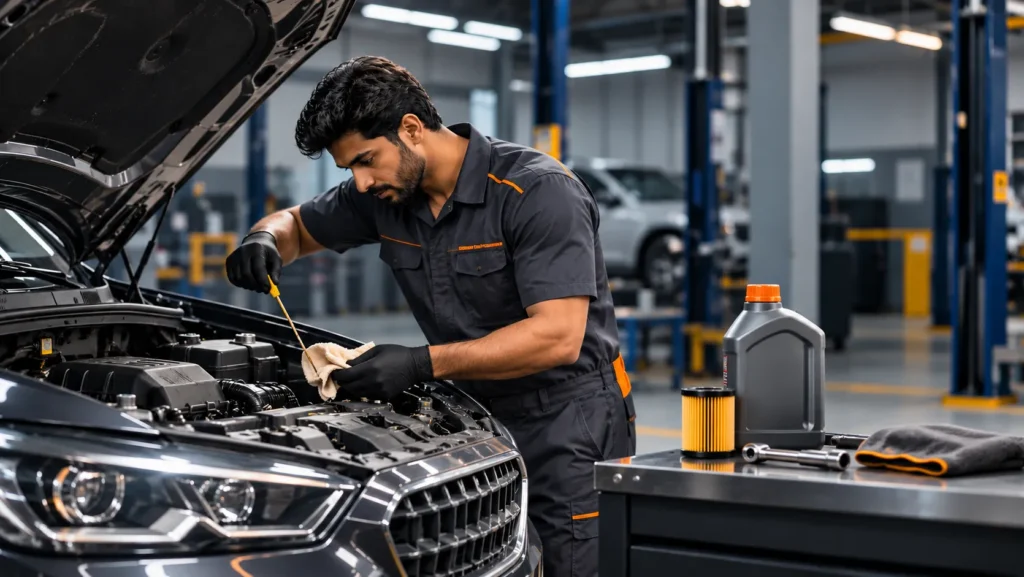
Owning a car comes with regular responsibilities, and servicing is one of the most important. Whether you drive your car every day or only on weekends, regular maintenance helps keep it safe, reliable, and fuel-efficient.
But how often should you actually service your car in India? Is servicing every six months necessary, or can you wait until your car shows signs of trouble?
The answer depends on your car’s make, model, age, mileage, and driving conditions. In this guide, Auto Touch Cars explains how frequently you should service your car and what maintenance it needs to stay in good condition.
How Often Should You Service Your Car in India?
As a general guideline, most petrol and diesel cars need servicing every 6 months or 5,000–10,000 km, whichever comes first. However, the recommended interval can differ depending on the manufacturer and vehicle model.
Here is a simple breakdown:
| Car Usage | Recommended Service Frequency |
| Daily city driving | Every 6 months |
| Long-distance driving | As per manufacturer schedule |
| Low usage | At least once a year |
| Older cars (5+ years) | Every 6 months |
| Heavy traffic conditions | Every 6 months or as recommended |
Always check your owner’s manual because some modern cars have longer service intervals.
Why Is Regular Car Servicing Important?
Skipping car servicing may save money temporarily, but it can lead to expensive repairs later. Regular maintenance helps identify small problems before they become major issues.
Here are some important benefits:
1. Better Engine Performance
Engine oil, air filters, and other components need regular attention. Timely servicing helps your engine run smoothly and reduces unnecessary wear.
2. Improved Fuel Efficiency
Dirty air filters, incorrect tyre pressure, and poor engine condition can affect mileage. Regular maintenance helps your car deliver better fuel efficiency.
3. Increased Safety
Brakes, tyres, suspension, lights, and steering components should be checked regularly. Proper maintenance helps reduce the risk of unexpected problems while driving.
4. Longer Vehicle Life
Regular servicing keeps important car components in good condition and can help extend your vehicle’s lifespan.
5. Lower Repair Costs
Finding issues early is usually easier and less expensive than repairing a major component after it fails.
What Does a Regular Car Service Include?
A standard car service involves checking and maintaining several important parts of your vehicle.
Here is what mechanics generally inspect during routine servicing:
- Engine Oil: Checked and replaced according to the manufacturer’s recommended interval.
- Oil Filter: Replaced when required to maintain proper oil circulation.
- Air Filter: Cleaned or replaced to support proper airflow to the engine.
- Brake System: Brake pads, discs, fluid, and overall braking performance are inspected.
- Tyres: Tyre pressure, tread depth, and overall condition are checked.
- Battery: Battery health, terminals, and charging performance are inspected.
- Coolant: Coolant level and condition are checked to prevent overheating.
- AC System: Cooling performance and filters are inspected.
- Lights and Wipers: Headlights, indicators, brake lights, and wipers are checked.
The exact service checklist depends on your car’s condition and manufacturer guidelines.
Signs Your Car Needs Servicing Before the Scheduled Date
You should not always wait for your next scheduled service. Some warning signs indicate that your car needs immediate attention.
Watch out for these common symptoms:
- Unusual engine noise or vibrations.
- Reduced mileage or sudden fuel consumption.
- Difficulty starting the engine.
- Weak braking or unusual brake sounds.
- Engine overheating.
- Warning lights appearing on the dashboard.
- Reduced AC cooling.
- Unusual smoke from the exhaust.
If you notice any of these problems, get your vehicle inspected by a qualified mechanic.
Does Indian Driving Conditions Affect Car Servicing Frequency?
Yes. Indian road and weather conditions can affect how frequently your car needs maintenance.
For example, frequent traffic in cities, dusty roads, potholes, extreme summer temperatures, and monsoon driving can put additional pressure on different car components.
Here are a few examples:
- City Traffic: Frequent braking and stop-and-go driving can increase wear on brakes and affect engine performance.
- Dusty Roads: Dust can clog air filters faster, affecting engine airflow.
- Summer Heat: High temperatures can put additional stress on the battery and cooling system.
- Monsoon Season: Waterlogged roads and moisture can affect brakes, tyres, electrical components, and underbody parts.
- Rough Roads: Potholes and uneven surfaces can damage tyres and affect suspension and wheel alignment.
If you regularly drive in these conditions, ask your mechanic whether certain components need more frequent inspection.
How Can You Maintain Your Car Between Services?
Regular servicing is important, but a few simple habits can also help keep your car in good condition.
- Check tyre pressure at least once every few weeks.
- Monitor engine oil and coolant levels as recommended.
- Keep your car clean, especially during the monsoon.
- Pay attention to unusual sounds or dashboard warning lights.
- Avoid aggressive acceleration and sudden braking.
- Get your brakes, battery, and tyres inspected regularly.
- Follow the maintenance schedule mentioned in your owner’s manual.
These small steps can help prevent avoidable problems and improve your overall driving experience.
Frequently Asked Questions (FAQs)
1. How many times should I service my car in a year in India?
Most cars should be serviced once or twice a year, depending on mileage, usage, and manufacturer recommendations. Many vehicles require servicing every six months or 5,000–10,000 km.
2. Is car servicing necessary every 6 months?
Not necessarily for every car. Some manufacturers recommend longer intervals. However, a six-month inspection can be helpful, especially if you drive regularly in heavy traffic or difficult road conditions.
3. Can I drive my car without servicing for one year?
It depends on your car’s service schedule and usage. If your vehicle has a yearly service interval and meets the manufacturer’s conditions, it may be fine. However, do not ignore oil changes or other time-based maintenance.
4. What happens if I skip car servicing?
Skipping servicing can lead to poor engine performance, reduced mileage, increased component wear, safety issues, and expensive repairs.
5. How much does regular car servicing cost in India?
The cost depends on the car model, service type, spare parts, and work required. General servicing is usually less expensive than major repairs or replacement of damaged components.
Final Thoughts
Regular car servicing is not just about changing engine oil. It is about keeping every important part of your vehicle in good working condition.
For most Indian car owners, servicing every six months or according to the manufacturer’s recommended mileage is a practical approach. However, your driving habits and road conditions also matter.
At Auto Touch Cars, we believe that timely maintenance and proper inspection can help you avoid unexpected breakdowns and enjoy a smoother driving experience. Do not wait for a small issue to become a major repair. Give your car the attention it needs and keep it road-ready.